Illinois' backlog of unpaid bills is set to reach nearly $35 billion by 2017 unless "immediate" action is taken, according to a report released Monday by the Civic Federation of Chicago.
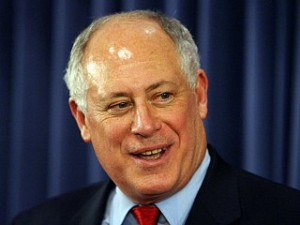
The report, which comes a day before Gov. Pat Quinn's State of the State address, projects the state's current backlog of $9.2 billion in unpaid bills will jump to $34.8 billion in five years. Most of that "potentially paralyzing load of unpaid bills" comes from "an unsustainable rise" in Medicaid costs, which are slated to account for $21 billion of the IOUs. And the situation will be made worse by expiring tax increases in 2015.
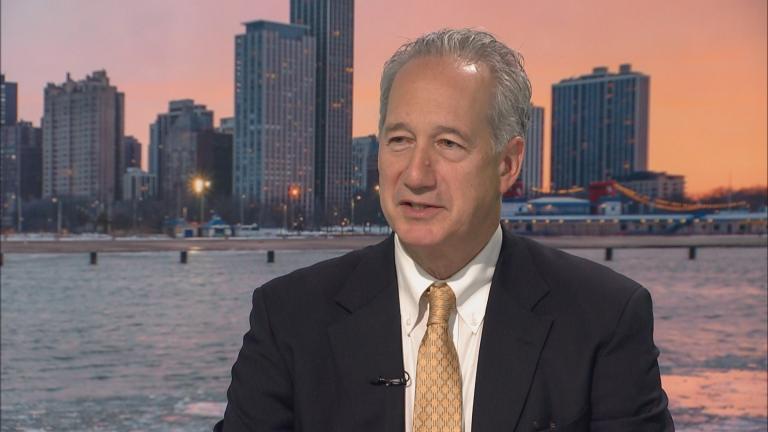
“The Governor and General Assembly must act now,” said Laurence Msall, president of the Civic Federation, in a prepared statement. “Failure to address unsustainable trends in the State’s pension and Medicaid systems will only result in financial disaster for the State of Illinois.” Msall joins our panel on the state's budget on Chicago Tonight at 7:00 pm.
The Federation's recommendations include freezing state employee pay "for the foreseeable future," taxing retirement and Social Security income, cutting pension benefit increases, and taxing cigarettes an additional $1 per pack.
To read the full report, with our annotations, click below.