Show Boat

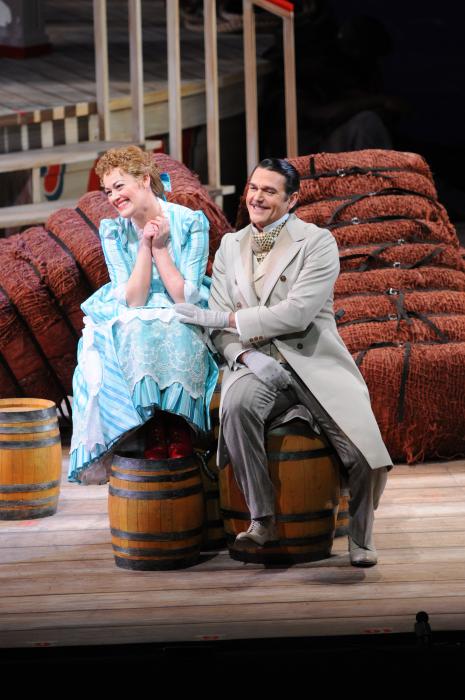
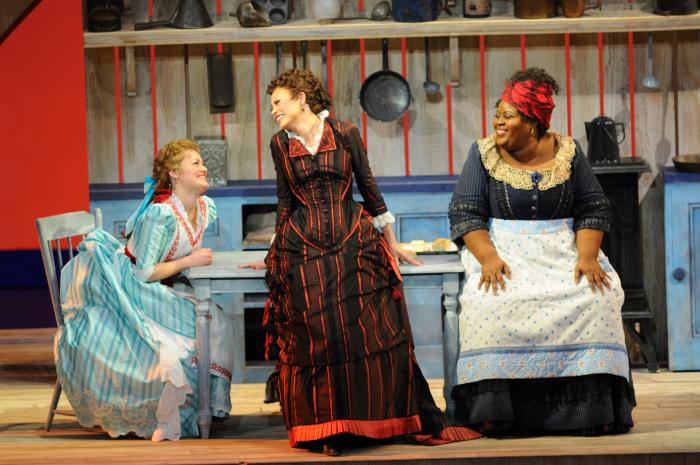
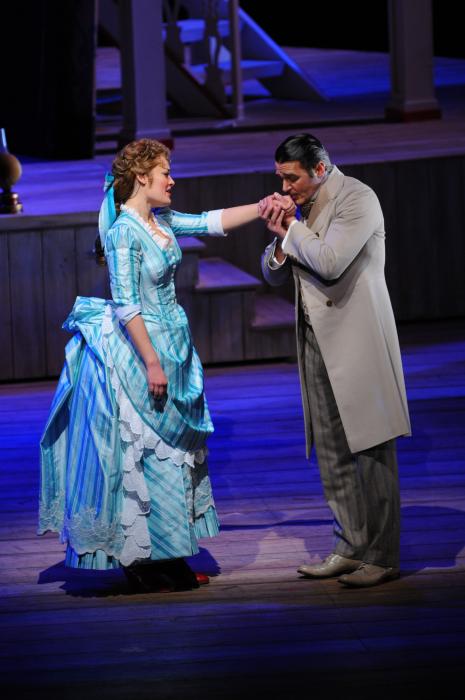
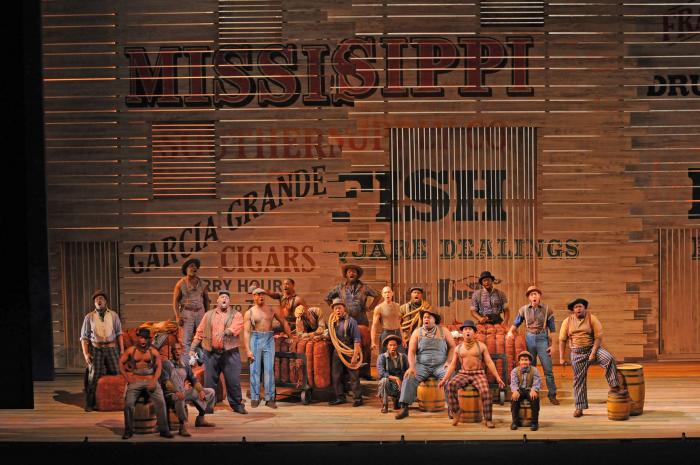
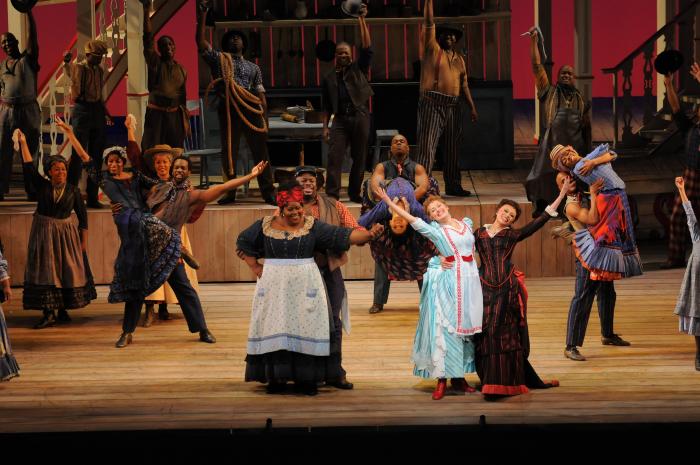
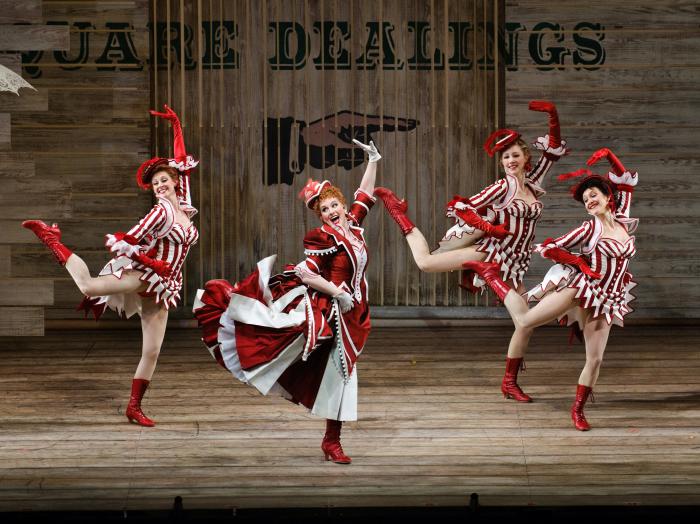
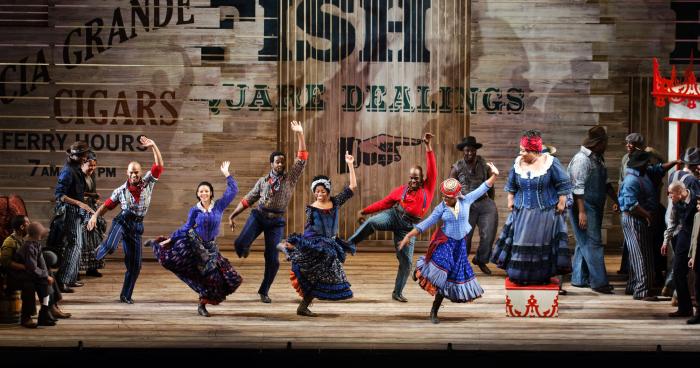
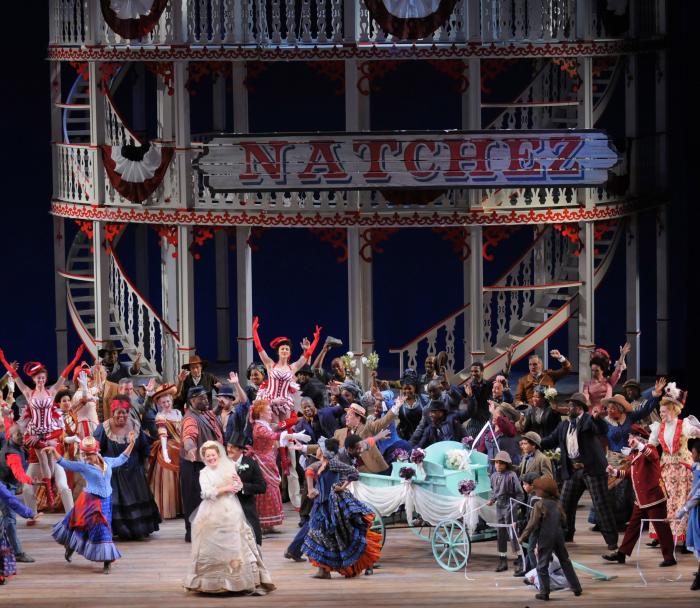
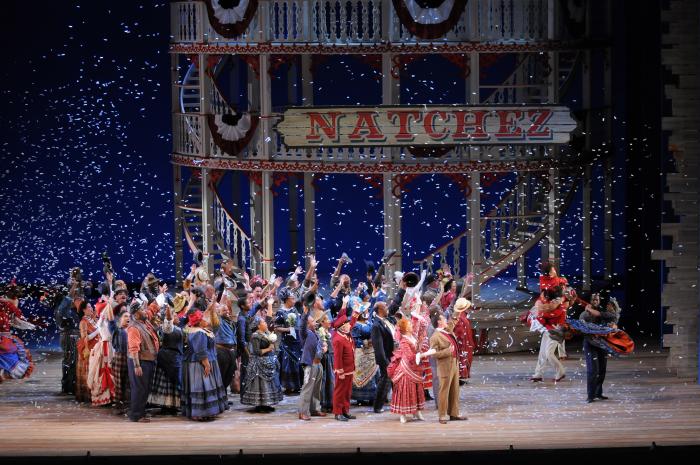
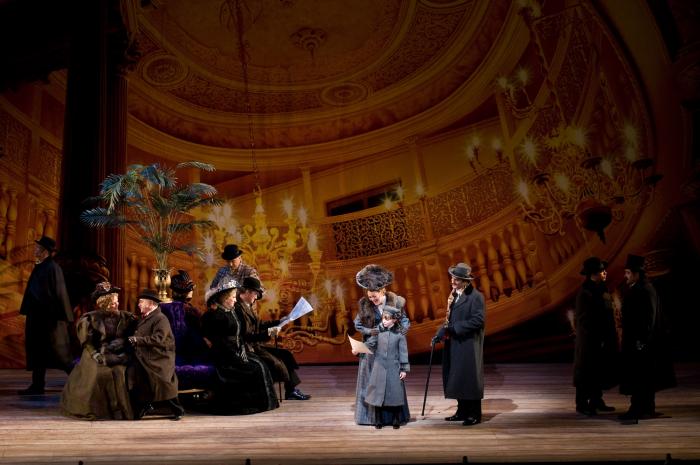
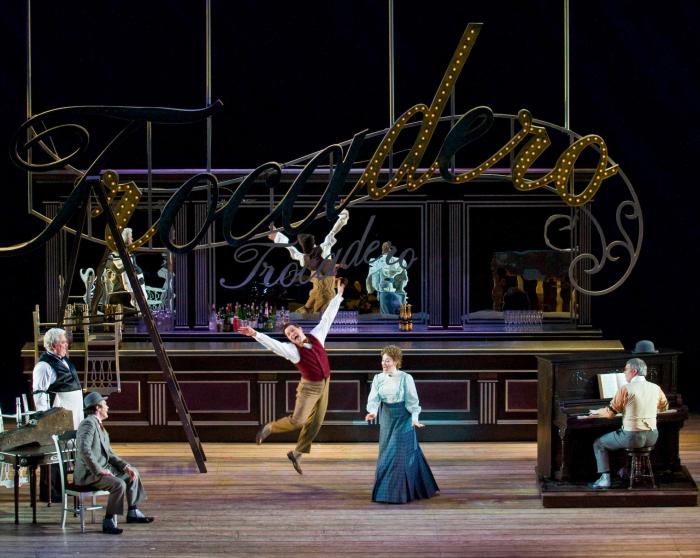
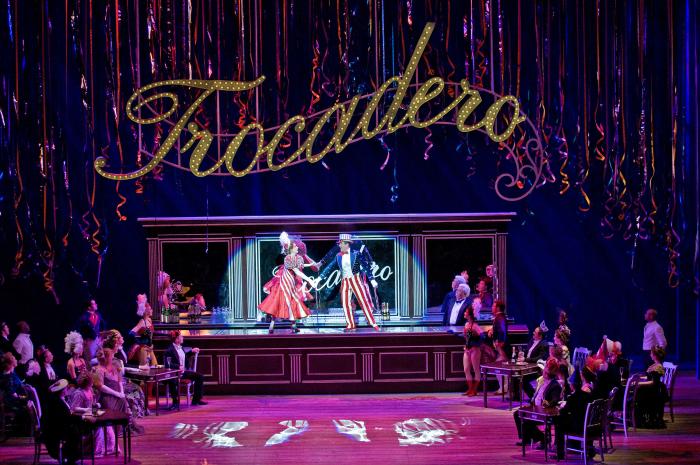
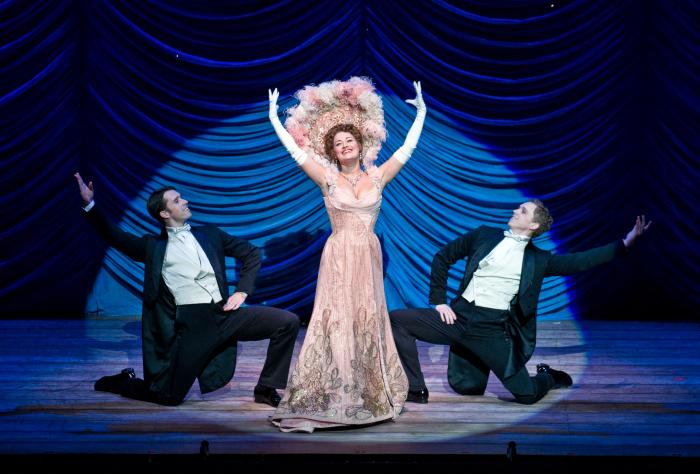
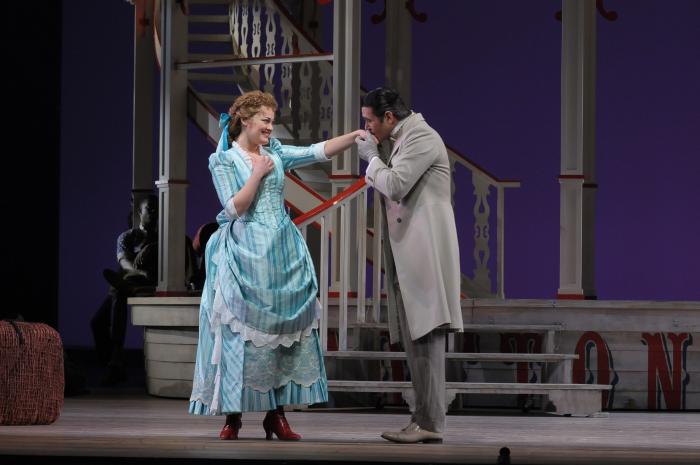
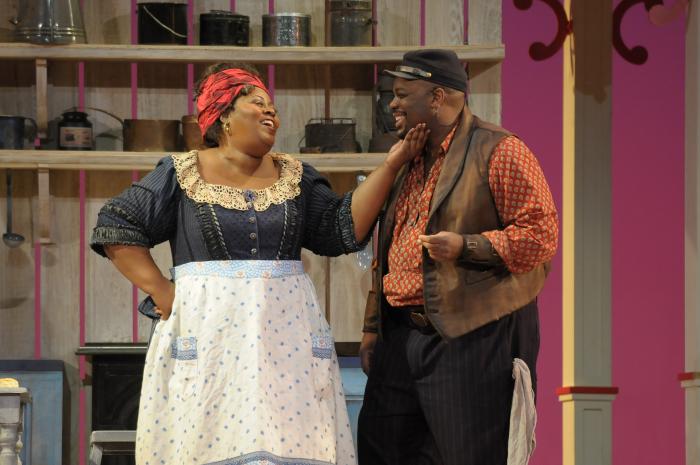
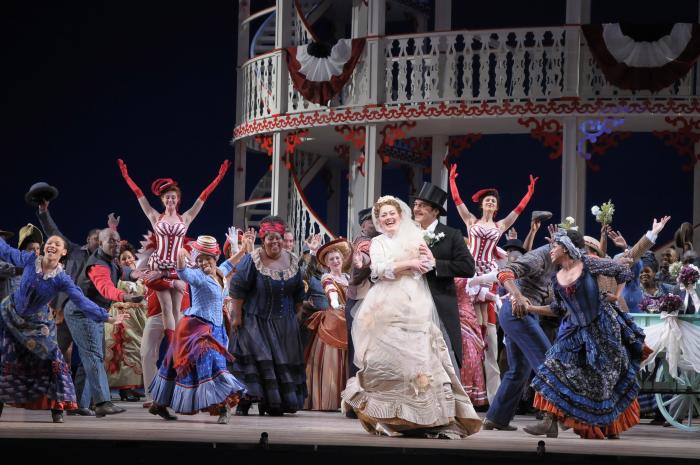
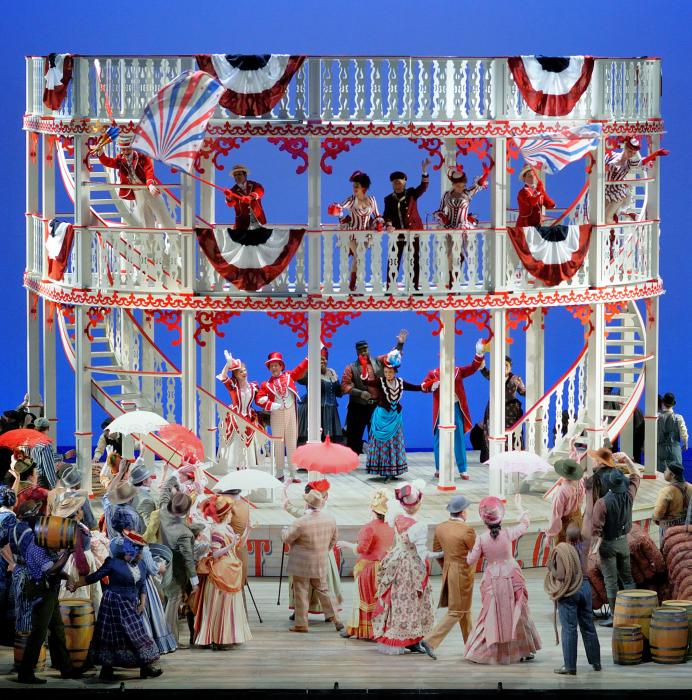
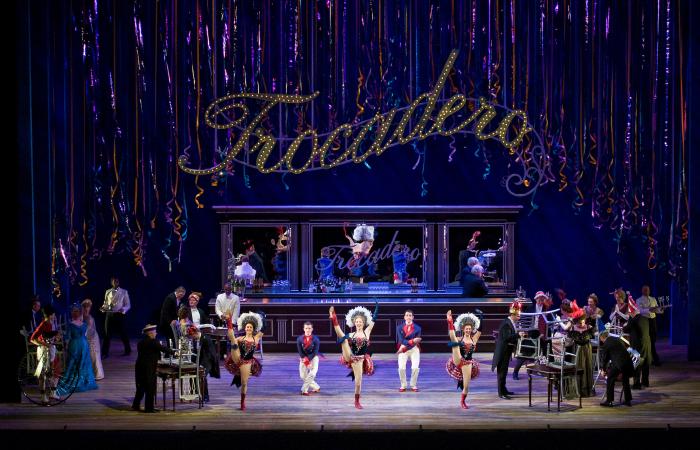
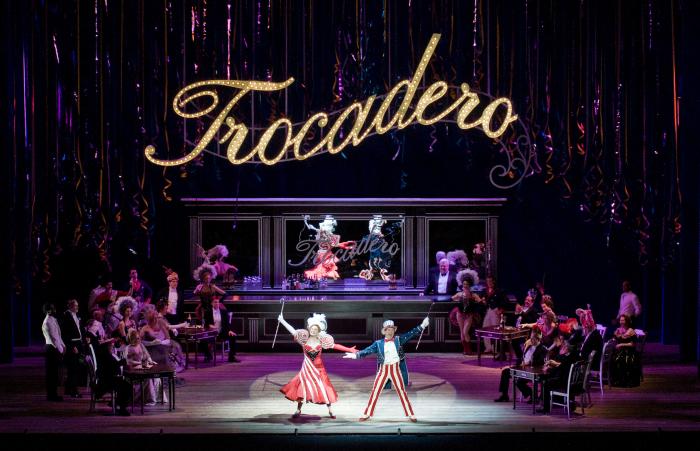
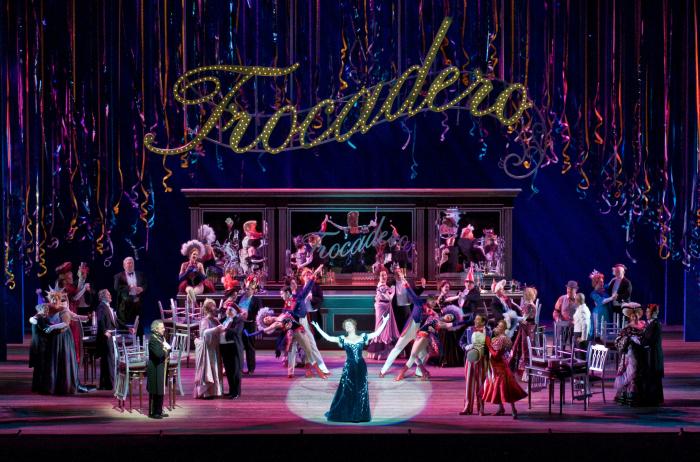
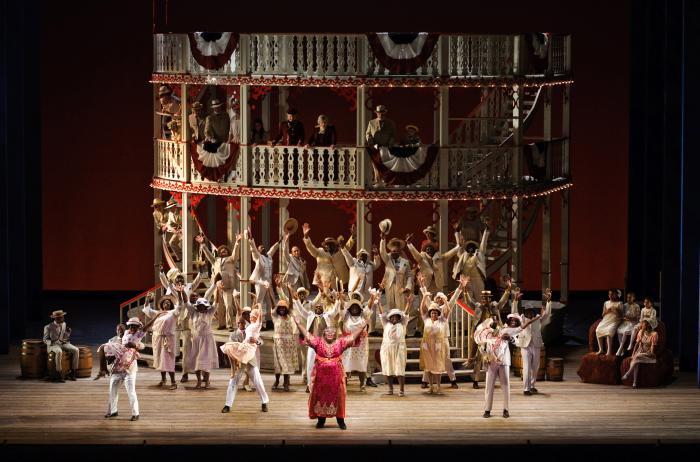
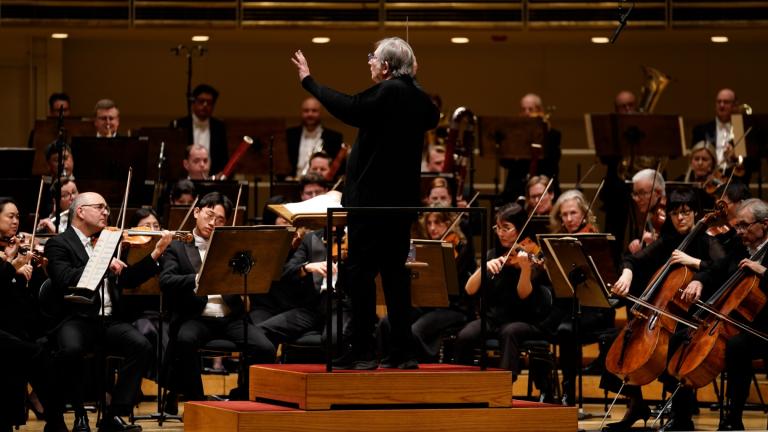
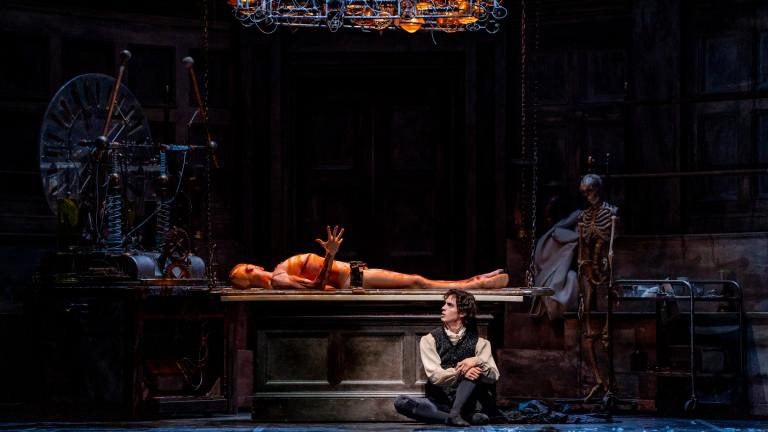
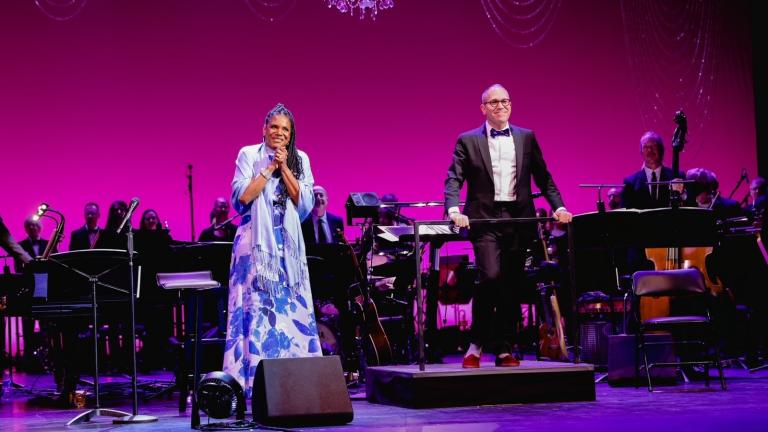
Cast members from Show Boat join us on Chicago Tonight at 7:00 pm to perform timeless songs from the Lyric Opera of Chicago production. Chicago Tonight spoke with the show's director, Francesca Zambello, to discuss the show's influence on American musical theater, its controversial debut, and Zambello's personal theory about actors.

View a photo gallery below.

This is the third time you’re directing Show Boat, but this is the first time you’re working with full costumes and scenery. How did your past shows inform the Lyric Opera production?

The script and music is not absolutely set in stone—there are many versions. This one best tells the story of Magnolia, the protagonist, set against the evolving landscape of America, and having the experience of working with different scripts before was invaluable. Originally, these pieces had a lot of numbers in for specific actors. They’d have a vaudeville act, for example. It was logical for the show to be four hours long. So, in a way, we were trimming away some of the more gratuitous material.

I’ve read you have a theory that something happens to every performer that relates to the character they’re playing. How long have you had that belief?

I think my whole life as a director. For me, what makes theater interesting is what each performer gives of themselves to the material and how that material transforms the individual. Alyson Cambridge, who plays Julie, came from a mixed race background herself—her father is African and her mother is Caucasian. It’s fascinating that the character she plays is thrown off the ship because she’s being a party to miscegenation. I don’t think it’s normally that close, but I do think it’s important to bring the personal to the big picture. Why do we keep wanting to see a different actor play Hamlet? Or hear another soprano sing La Boehme? Because we want to see how they handle that material. We’re always in search of that personal connection between a performer and the material.

When Show Boat premiered in 1927, it was very controversial—not only were the themes of racism not normally a part of musical theater, but it was the first time whites and blacks performed together on Broadway. How do you translate that historical context in a modern production?

You’re right, it was a revolution on every count. But racism is still a big part of the fabric of America—it hasn’t dissolved. Show Boat doesn’t hit you over the head with it, but it’s certainly a part of the story, and that has a very contemporary feeling to it. Also, the protagonist is a single mother who makes a life for herself, which was even more shocking in its time, but is still quite an accomplishment.
Many theater critics say Show Boat is a turning point for American musical theater. How did it influence successive works?

In 1927, musicals as we know them now did not exist. It was either vaudeville or an opera. Suddenly this combined all those worlds into one art form. Show Boat uses so many music styles: gospel, choir, opera, songspiel, jazz. Truthfully, I don’t know any other musical that does that. That’s why it began an American art form—musicals—that’s still evolving. They’re barely 100 years old and we’re still figuring them out.

Interview has been condensed and edited.